Step 1 of 6 · Intro to Top-Rope Climbing
Climbing Gear Basics
The essential gear every climber uses, and what to check on each piece.
gear · beginner · 6 min
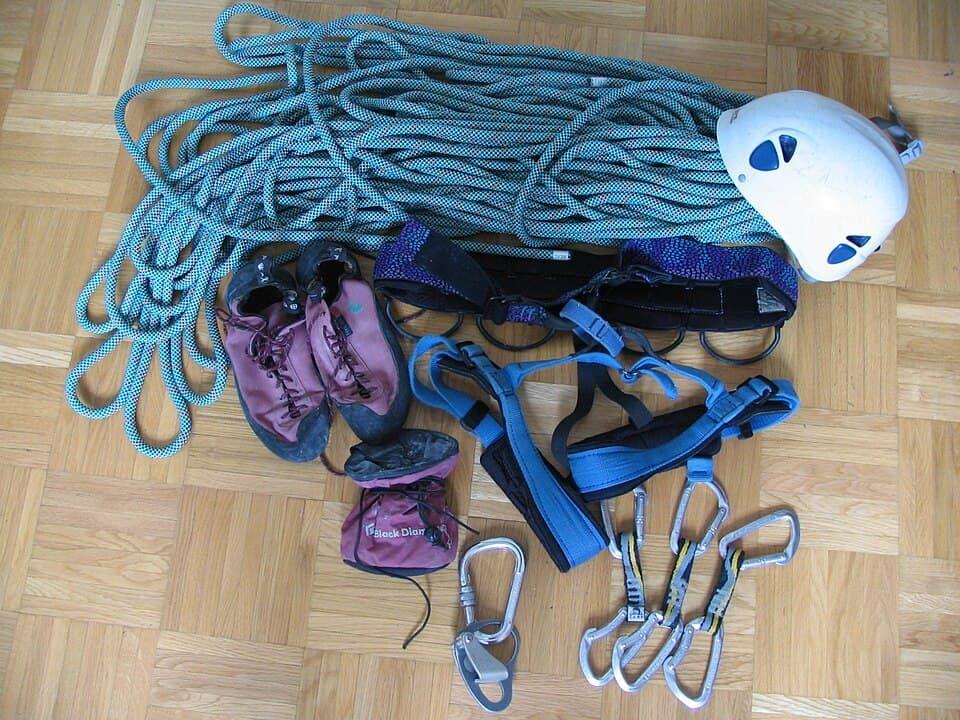
Here’s the essential gear every climber relies on, piece by piece. This page is assembled from separate, reusable content sections — each one can also be reused in other topics without copying any text — but it reads as a single continuous guide.
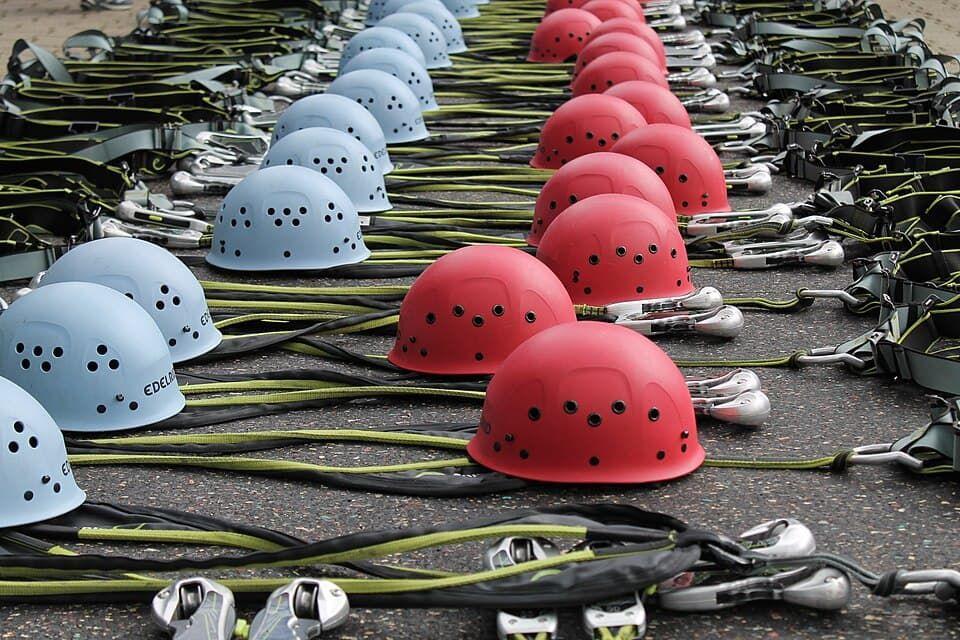
Helmets
A climbing helmet protects against two different things: rockfall or dropped gear from above, and your own head hitting the wall or rock if you fall or swing.
- Fit it level, not tipped back — it should sit low on your forehead.
- Buckle the chin strap snug enough that it can’t be pushed off backward.
- Replace after any hard impact, even without visible cracks.
Placeholder content — replace with real guidance.
Harnesses
Your harness is what the rope, belay device, and gear all connect to — it needs to fit snugly and be worn correctly every time.
- Waist belt sits above your hip bones, snug enough that you can’t push it down over your hips.
- Leg loops snug but not tight enough to restrict circulation.
- Double back every buckle that requires it — check the manufacturer’s tag.
Placeholder content — replace with real guidance.
Ropes
Dynamic climbing ropes are designed to stretch under load, absorbing the force of a fall instead of transmitting it straight to the climber and gear.
- Check the whole length by feel before climbing — look for flat spots, soft spots, or fuzzy sheath damage.
- Ropes have a lifespan even unused — check the manufacture date.
- Retire a rope immediately after a severe fall or any core damage.
Placeholder content — replace with real guidance.
Climbing Shoes
Climbing shoes fit much tighter than street shoes — snug enough to give precise feedback through the sole, without being painful.
- Beginners: a snug-but-comfortable fit beats an aggressive downturned shoe.
- Expect them to feel tight when new; most stretch slightly with wear.
- Take them off between long rests to save your feet (and the shoes).
Placeholder content — replace with real guidance.
Carabiners
Carabiners connect everything — rope, belay device, anchors, protection. The one detail that matters most: whether it locks.
- Locking carabiners for anything holding a life-critical connection (belay device, anchor tie-in).
- Check the gate closes and the lock engages before weighting it.
- Never load a carabiner across its minor axis (side-loaded).
Placeholder content — replace with real guidance.